
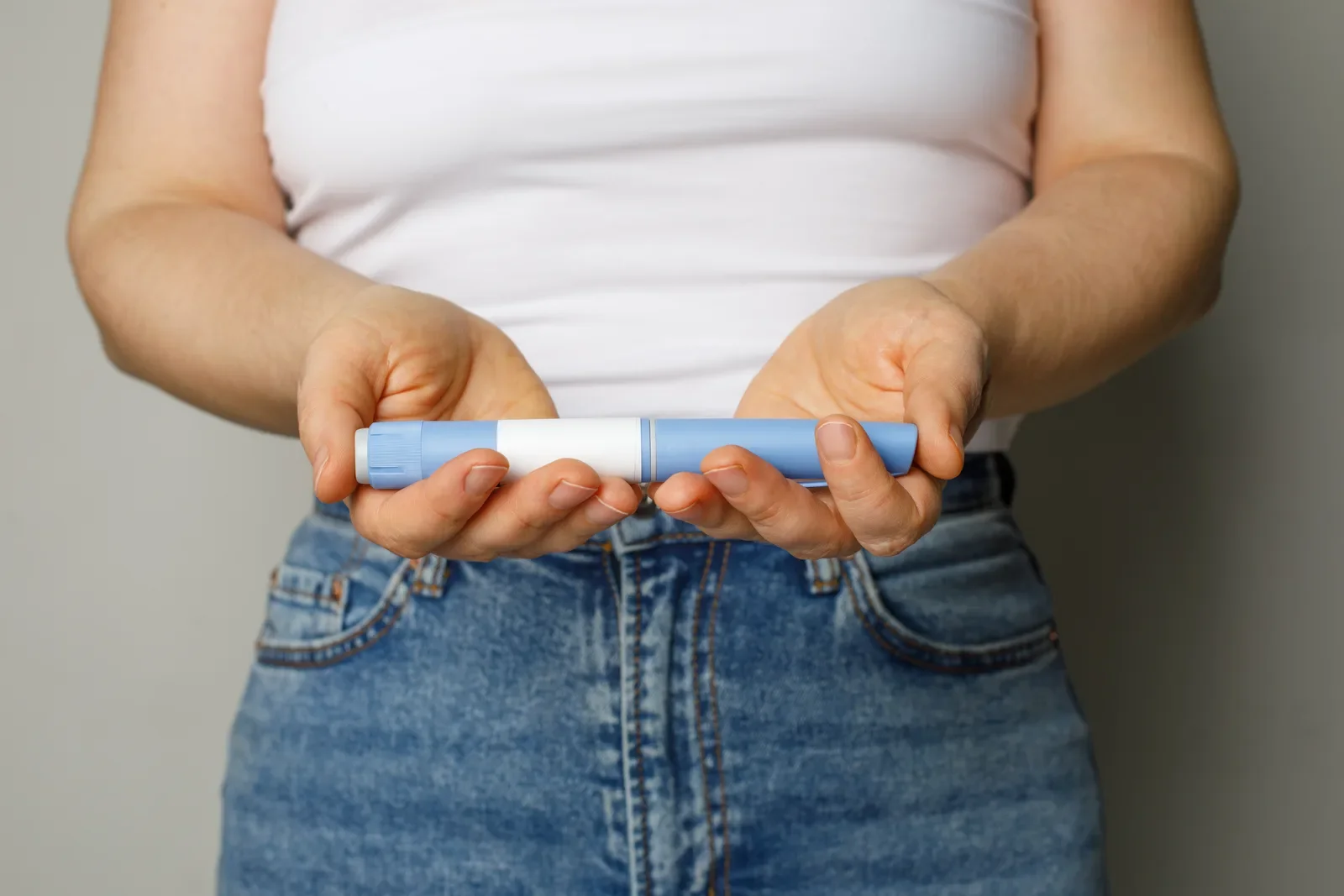
GLP-1 muscle loss is one of the most important conversations happening in medical weight loss right now, and we are glad you are asking about it. As more patients in Greenville turn to GLP-1 medications like semaglutide to reach their goals, a growing body of research is asking a sharper question: is the weight coming off fat, or is some of it coming from muscle you actually want to keep?
At ACME Med Spa, we hear this from patients all the time. They are thrilled by the number on the scale, but a little frustrated that their clothes fit differently than expected, or that they feel softer rather than stronger. We understand that feeling, and the good news is that understanding what is actually being lost matters just as much as how much is lost.
Key Takeaways
- GLP-1 medications can cause lean mass loss alongside fat loss. Research on semaglutide and similar medications suggests that muscle can account for a meaningful share of total weight lost, particularly without resistance training or adequate protein intake.
- Muscle loss during rapid weight loss increases the likelihood of regain. Lower muscle mass reduces resting metabolic rate, which means fewer calories burned at rest even after the medication phase ends.
- Protein intake and resistance training are the two most protective factors. Most patients actively losing weight benefit from prioritizing protein at each meal and strength training 2-3 times per week.
- Older adults and post-menopausal patients face a higher risk of lean mass loss. Age-related muscle decline compounds with rapid weight loss, making body composition monitoring especially important for this group.
- Body composition testing gives a more accurate picture than the scale alone. Checking in every 4-8 weeks with a composition measurement helps distinguish genuine fat loss from muscle loss disguised as progress.
If you are currently on a GLP-1 or considering medical weight loss, a personalized consultation can help you build a plan that protects lean mass from the start. Reach out to our Greenville team to talk through your specific goals and history.
The problem with judging a GLP-1 by the scale
The scale cannot tell you what kind of weight you are losing. A pound of fat and a pound of muscle weigh the same, but they behave very differently in your body and show up very differently in the mirror. This is the central issue with using the scale as the only measure of success on a GLP-1 protocol.
Weight lost is not automatically fat lost. When the body drops weight quickly, whether from a medication, a restrictive diet, or a combination of both, a portion of that loss typically comes from lean tissue, including muscle. Research examining body composition changes during GLP-1 therapy has found that lean mass can make up a meaningful percentage of total weight lost, depending on factors like starting body composition, age, and whether resistance training is part of the routine.
This does not mean GLP-1 medications are working against you. It means the rate and composition of loss deserve as much attention as the total number. A patient who loses 30 pounds while preserving muscle will look, feel, and function very differently than a patient who loses the same 30 pounds with significant lean mass loss.
Why muscle matters more than the number
Muscle is metabolically active tissue, which means it burns calories even when you are resting. The more lean mass you carry, the higher your resting metabolic rate tends to be. Lose muscle along with fat, and your body’s baseline calorie burn drops, making long-term maintenance harder than it needs to be.
Muscle also determines how you actually look at any given weight. Two people at the same height and the same number on the scale can look completely different depending on their ratio of muscle to fat. Preserved muscle tends to create the toned, defined appearance most patients are picturing when they start a weight-loss journey, not just a smaller version of their current shape.
Perhaps most importantly, lost muscle makes regain more likely. When lean mass declines, metabolic rate declines with it. If weight returns after stopping or tapering a GLP-1, it often returns disproportionately as fat, because the muscle that once supported a higher metabolism is no longer there to help.
Strength and function beyond appearance
Muscle is not just about aesthetics. It supports joint stability, balance, and the ability to move through daily life without fatigue. Patients who preserve muscle during weight loss often report feeling stronger and more capable, not just lighter.
Who is most at risk for muscle loss on ozempic and similar medications
Muscle loss on Ozempic, semaglutide, and other GLP-1 medications is not universal, and it is not something you need to figure out on your own. Certain patterns do raise the risk, and the earlier we spot them together, the easier it is to build a plan that keeps you ahead of the problem.
- Rapid loss without resistance training: The faster the weight comes off, the higher the proportion that tends to come from lean tissue, especially if strength training is not part of the routine.
- Under-eating protein: Appetite suppression from GLP-1 medications often means eating less overall, and protein intake is frequently the first thing to fall short when total food volume drops.
- Older adults: Age-related muscle decline, sometimes called sarcopenia, already reduces lean mass over time. Rapid weight loss on top of that natural decline compounds the risk.
- Post-menopausal patients: Hormonal shifts around menopause are independently associated with lean mass loss and changes in fat distribution, making this population particularly important to monitor closely.
If you fall into one or more of these categories, please do not take that as a reason to avoid medical weight loss. Think of it instead as a reason to build a few extra safeguards into your plan from day one, so you can feel confident every step of the way.
What actually protects lean mass on semaglutide
How to keep muscle on semaglutide comes down to three consistent, evidence-supported strategies. None of them are complicated, but all of them require intention, because appetite suppression can quietly undermine each one if left unmanaged.
Protein targets during active loss
Most patients actively losing weight benefit from prioritizing protein at every meal, even when appetite is low. Because a GLP-1 reduces overall hunger, it becomes easy to under-eat protein simply by eating less food in general. Spreading protein across meals, rather than trying to consume it all at once, tends to be more sustainable for patients on appetite-suppressing medications.
Resistance training as the non-negotiable
Strength training is the single most protective habit against lean mass loss during a GLP-1 protocol. Training muscles under load signals the body to preserve and build that tissue, even in a calorie deficit. Most patients see meaningful benefit from resistance training 2-3 times per week, targeting major muscle groups with progressive resistance over time.
Rate-of-loss management through dose titration
Losing weight too quickly increases the share of lean mass lost relative to fat. Working with a medically supervised weight loss program allows for dose titration that manages the rate of loss, rather than maximizing speed at the expense of body composition. This is one of the reasons physician-guided protocols tend to outperform unsupervised use of these medications.
For patients in Greenville pursuing medical weight loss, this is where working with a provider who understands both the medication and the body composition side of the equation makes a measurable difference.
Where body contouring fits into a GLP-1 protocol
Body contouring and muscle-stimulating treatments have a real, supportive role in a GLP-1 protocol, but it is important to be clear about what that role is. These treatments supplement resistance training. They do not replace it.
Devices like EMSculpt use electromagnetic energy to induce muscle contractions beyond what voluntary exercise can achieve, which can help maintain and build muscle tone in specific areas alongside a structured strength training routine. Think of it as an addition to the foundation you are building in the gym, not a substitute for putting in the work.
Sequencing matters here. Many patients benefit from starting body contouring and muscle-stimulating sessions during an active weight-loss phase, rather than waiting until the end. This keeps muscle engagement consistent throughout the process instead of only addressing it after significant weight has already come off.
Once weight loss plateaus, a different set of concerns often comes into focus, including loose or lax skin and stubborn fat pockets that did not respond to the medication alone. Our body contouring and sculpting services, including CoolSculpting and EMSculpt, along with Morpheus8 for skin tightening, are commonly used at this stage to refine the results a patient has already worked hard to achieve.
How to track what actually matters
Tracking GLP-1 body composition changes gives you a far more accurate picture of progress than the scale alone. The scale answers one question. Body composition testing answers the more important one, which is what type of tissue is actually changing.
Options for tracking include bioelectrical impedance analysis, DEXA scans, or simple circumference and strength benchmarks tracked consistently over time. Most patients find value in checking in every 4-8 weeks, which is frequent enough to catch trends without becoming fixated on daily fluctuations that mean very little.
Reading a plateau correctly is its own skill. A stalled scale weight does not always mean stalled progress. If muscle is increasing while fat continues to decrease, the scale can hold steady even while your body composition is improving, which is exactly the outcome a well-managed protocol is aiming for.
Building an integrated plan around lean mass weight loss
Lean mass weight loss protection works best as an integrated plan rather than a collection of separate efforts. Medically supervised weight loss, structured resistance training, protein-focused nutrition, and targeted body composition treatments all reinforce each other when they are coordinated rather than pursued in isolation.
At ACME Med Spa, this typically means a physician-led weight loss protocol working alongside guidance on training and nutrition, with body contouring and skin-tightening treatments introduced at the right point in the timeline rather than as an afterthought.
Setting expectations over a 6-12 month arc tends to produce the most sustainable outcomes. This is not a rapid, overnight process. It is a paced approach that gives your body time to adapt, your habits time to solidify, and your results time to reflect the composition you actually want, not just a smaller number on a scale.
According to the National Institute of Diabetes and Digestive and Kidney Diseases, combining prescription weight-loss medications with lifestyle changes, including physical activity, tends to produce better long-term outcomes than medication alone, which supports the integrated approach outlined here.
Frequently asked questions about GLP-1 muscle loss
Does semaglutide cause muscle loss?
Semaglutide itself does not directly target muscle tissue, but the rapid weight loss it can produce often includes some lean mass loss alongside fat loss. The proportion of muscle lost tends to be higher without resistance training and adequate protein intake, and lower when both are prioritized throughout treatment.
How much protein should I eat on a GLP-1?
Protein needs vary by individual, but most patients on a GLP-1 benefit from prioritizing protein at every meal to offset reduced overall food intake from appetite suppression. A provider or dietitian familiar with your medical history can help set a specific target based on your weight, activity level, and goals.
Can I build muscle while losing weight on a GLP-1?
Yes, building muscle during weight loss is possible with consistent resistance training and sufficient protein intake, even in a calorie deficit. It requires more intention than losing weight alone, since appetite suppression can work against both muscle-building nutrition and energy for training if not managed carefully.
Do muscle-stimulating treatments replace strength training?
No, muscle-stimulating treatments like EMSculpt supplement strength training rather than replace it. These devices can enhance muscle engagement in targeted areas, but they work best alongside, not instead of, a regular resistance training routine.
How do I know if I am losing muscle instead of fat?
The clearest way to know is through body composition testing, such as bioelectrical impedance analysis or a DEXA scan, rather than relying on scale weight alone. Warning signs that may suggest lean mass loss include decreasing strength, a “softer” appearance despite weight loss, or a stalling metabolism that makes further progress feel harder than expected.
Protect your muscle while you lose weight in Greenville, SC
If you are pursuing a GLP-1 protocol, or just starting to think about one, we would love to make protecting your lean mass part of the very first conversation, not an afterthought once results are already underway. Our physician-led team at ACME Med Spa in Greenville, South Carolina is here to combine medically supervised weight loss with a body composition strategy built around you, so the number on the scale and the way you actually look and feel can move in the same direction.
Contact ACME Med Spa at (864) 555-0110 or visit us at 12 N Main Street, Suite 200, in downtown Greenville to schedule a consultation and build a plan tailored to your goals.